

When Mediation Isn’t the Right First Move — Part I
/Knowing When Litigation Creates the Leverage You Need
If mediation is central to alternative dispute resolution, is it ever better to choose the alternative — litigation? The short answer is yes. But the answer requires discipline.
As a mediator, I see the benefits of negotiated resolution every week. Certainty. Control. Confidentiality. Finality. Those are not small things. But mediation is not a ritual to be observed at the first sign of conflict. It is a strategic tool. And timing matters.
The real question is not whether mediation is better than litigation in theory. The question is: What does this case need right now?
One of the most common reasons mediation stalls is the absence of meaningful risk. If one side believes its position is secure — legally, factually, or financially — there is little incentive to move. In those circumstances, mediation can feel premature.
Litigation has a way of sharpening risk.
A well-drafted complaint forces focus. A dispositive motion clarifies exposure. A discovery ruling narrows the field. Depositions reveal weaknesses that were previously theoretical. When uncertainty becomes concrete, negotiation becomes possible in a different way.
Until then, the numbers exchanged in mediation may reflect optimism rather than evaluation.
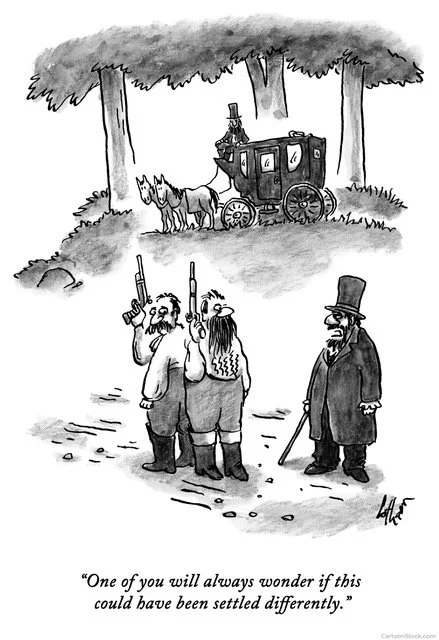
There is also the issue of missing information. Mediation works best when both sides understand the landscape. If key documents have not been produced or damages are still speculative, the negotiation rests on assumptions. In that setting, a mediation session may simply confirm the impasse.
Sometimes you need discovery before dialogue.
That is not an indictment of mediation. It is an acknowledgment that informed negotiation requires a shared understanding of risk. Litigation can create that shared understanding.
There are also threshold legal issues that shape the entire case — coverage questions, enforceability of restrictive covenants, standing, immunity. Where one ruling will determine whether the case has value at all, seeking judicial clarity may not be escalation. It may be efficient triage.
Negotiating in fog is rarely productive.
None of this suggests that litigation is superior. It suggests that leverage and information are prerequisites to meaningful mediation. If they do not yet exist, litigation may be the mechanism that creates them.
The mistake is not filing suit. The mistake is filing suit without a theory of how it will move the dispute toward resolution. In some cases, the courthouse is not the destination. It is the catalyst.